Fully licensed & accredited
-
 Queensland Building & Construction Commission
-
 Australian Society of Building Consultants
-
 Strata Community Association
-
 Building Dispute Practitioners Society
An independent building report for a Morayfield home insurance claim, setting out what caused the damage, how far it reaches and the repairs it needs, backed by photographs and readings.
One of our inspectors will call you back.
If it is urgent, email [email protected]
Fully licensed & accredited
Queensland Building & Construction Commission Australian Society of Building Consultants Strata Community Association Building Dispute Practitioners Society The report comes from a non-destructive inspection that records the damage, its most likely cause and how far it extends, and where the quality of the original building work is questioned it refers to the National Construction Code, the QBCC Standards and Tolerances Guide and the Australian Standard for the element concerned.
21 checkpoints across 6 areas on a standard Morayfield insurance building report. We need safe access to the property on the day of the inspection. We cannot inspect areas we cannot physically reach.
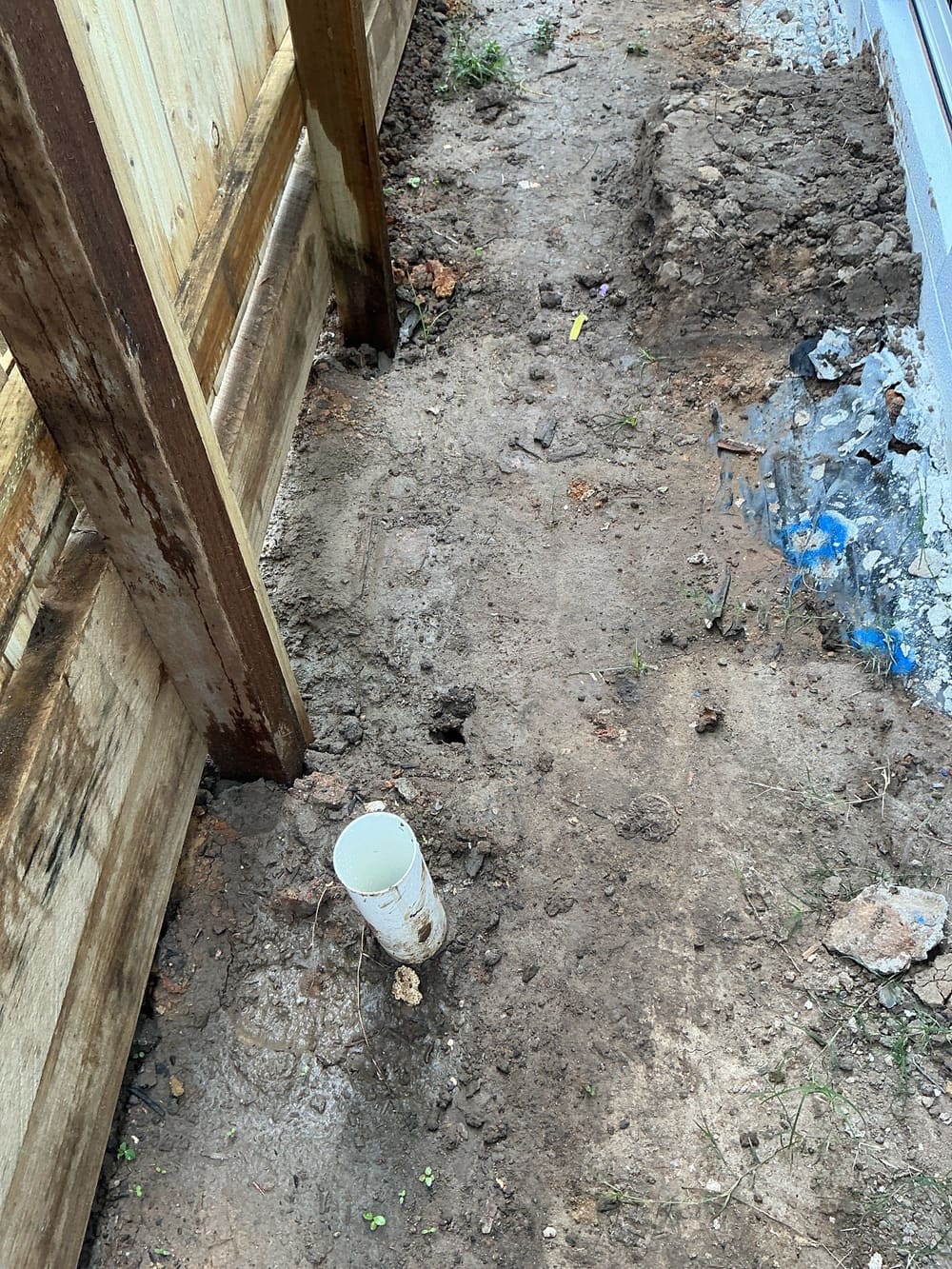
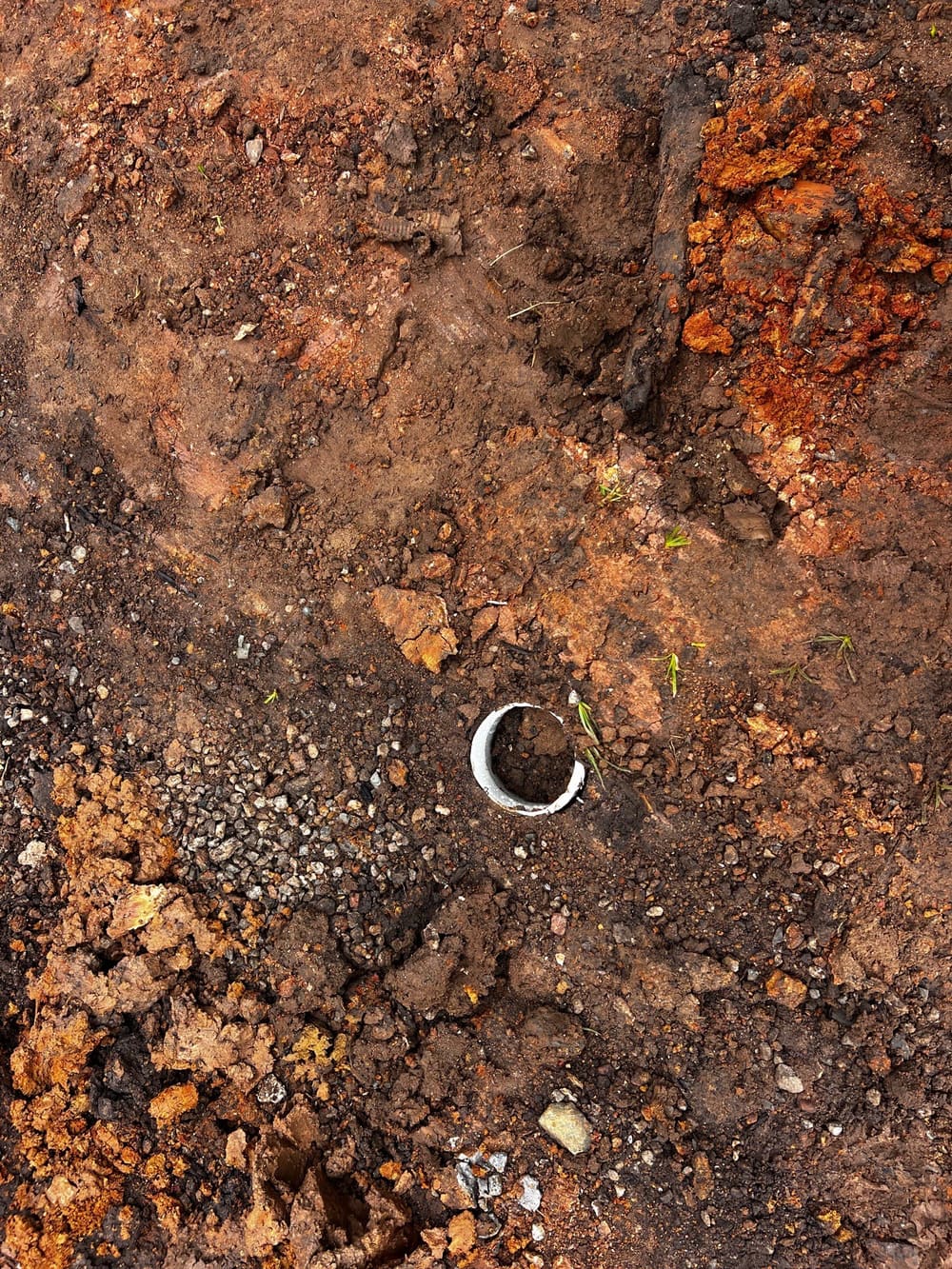
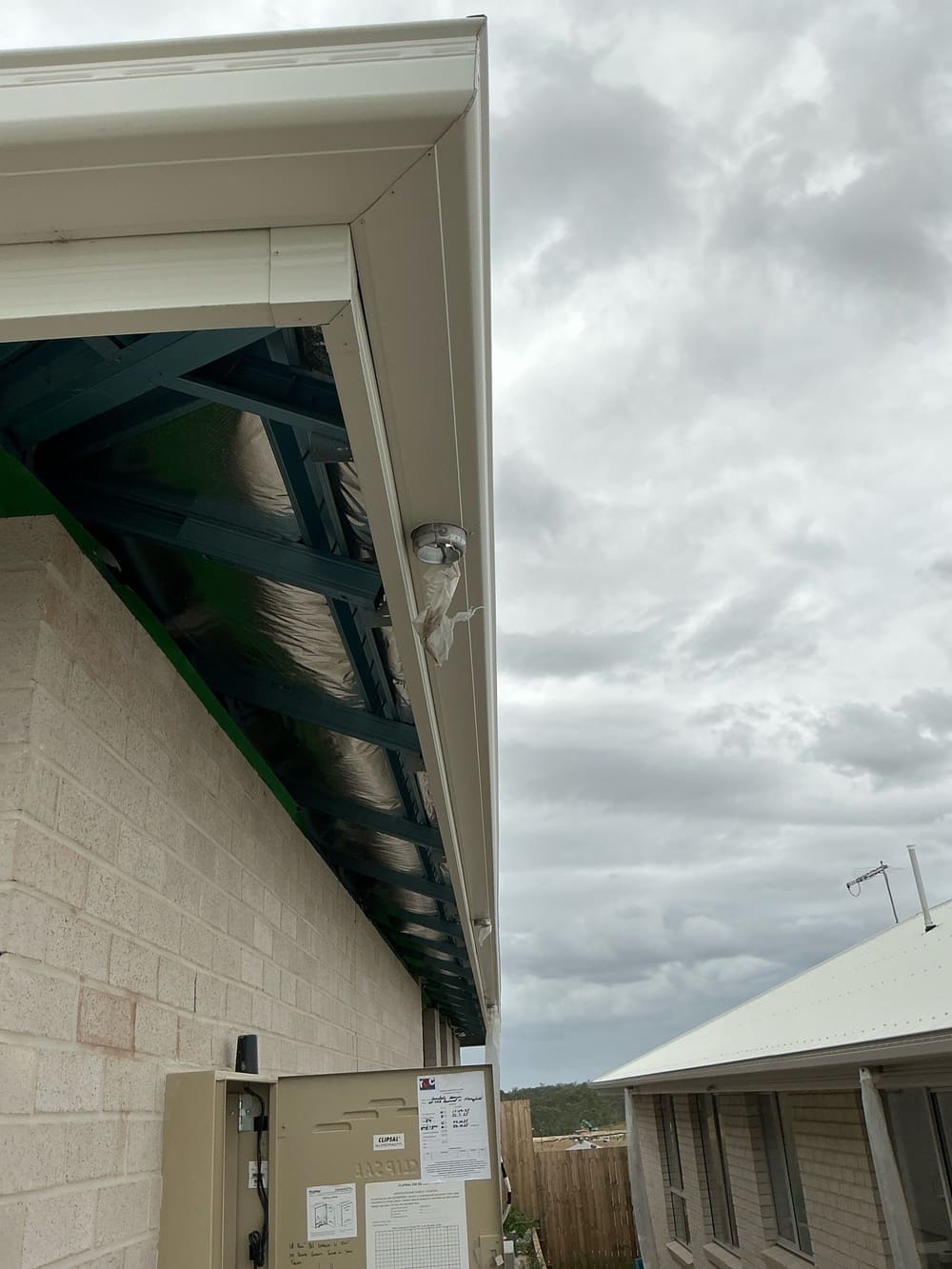
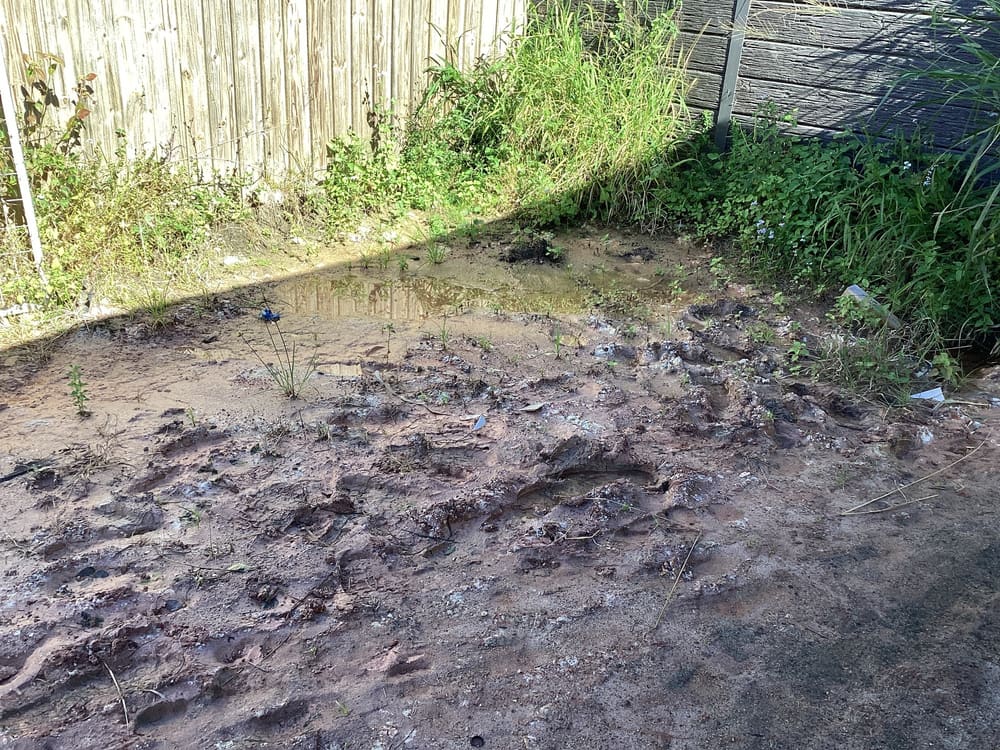
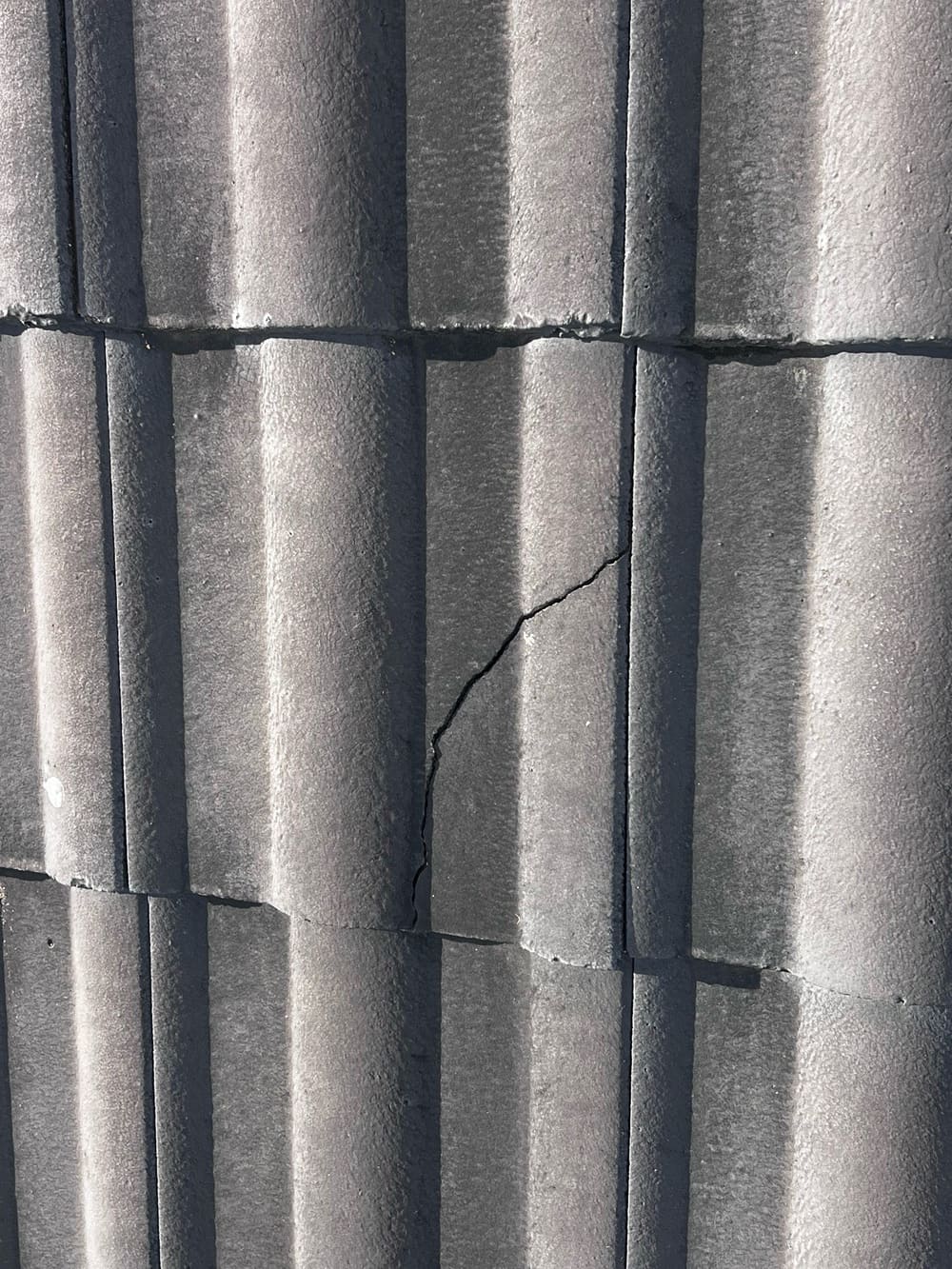
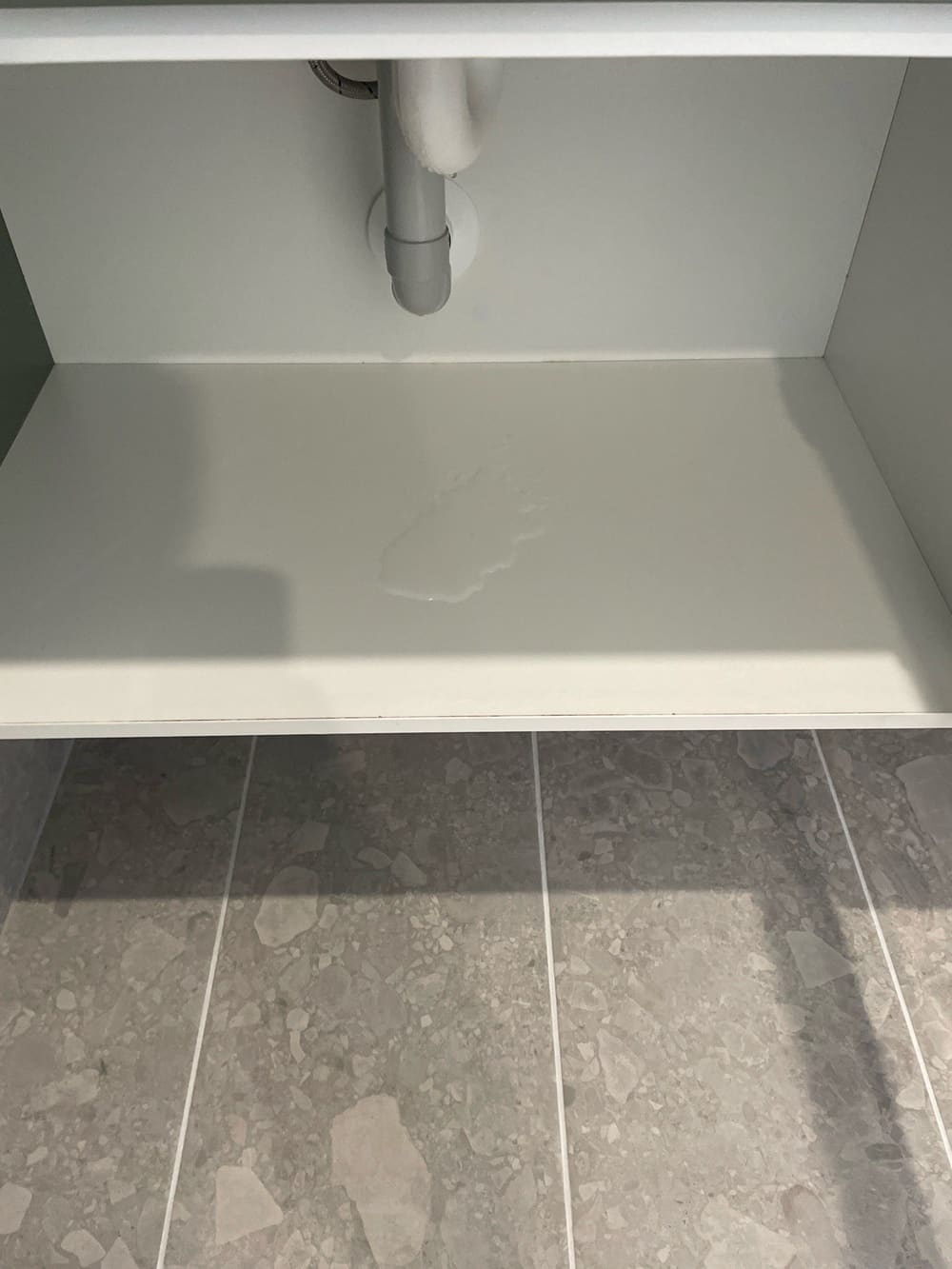
Examples from recent inspections around Morayfield.
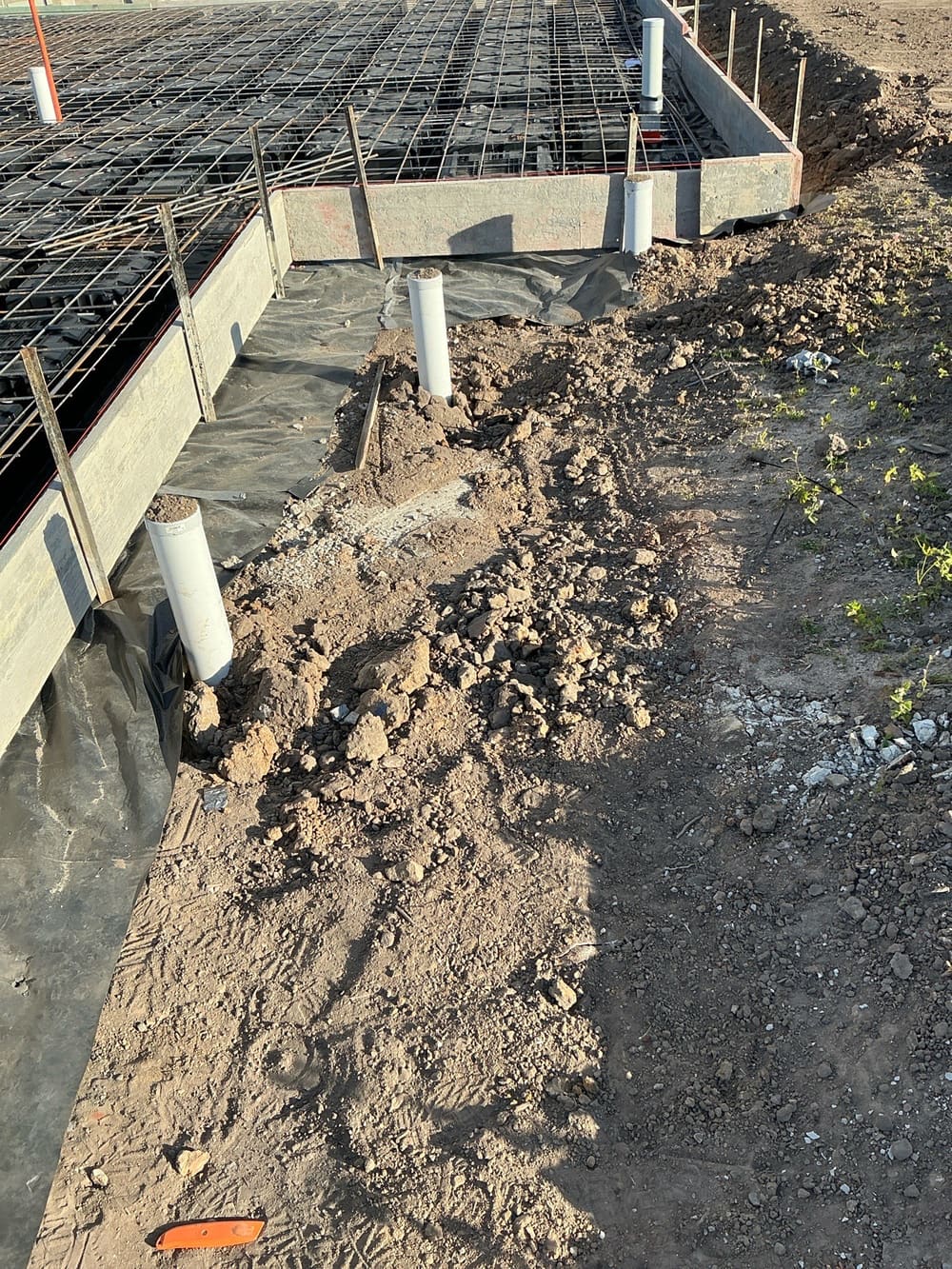
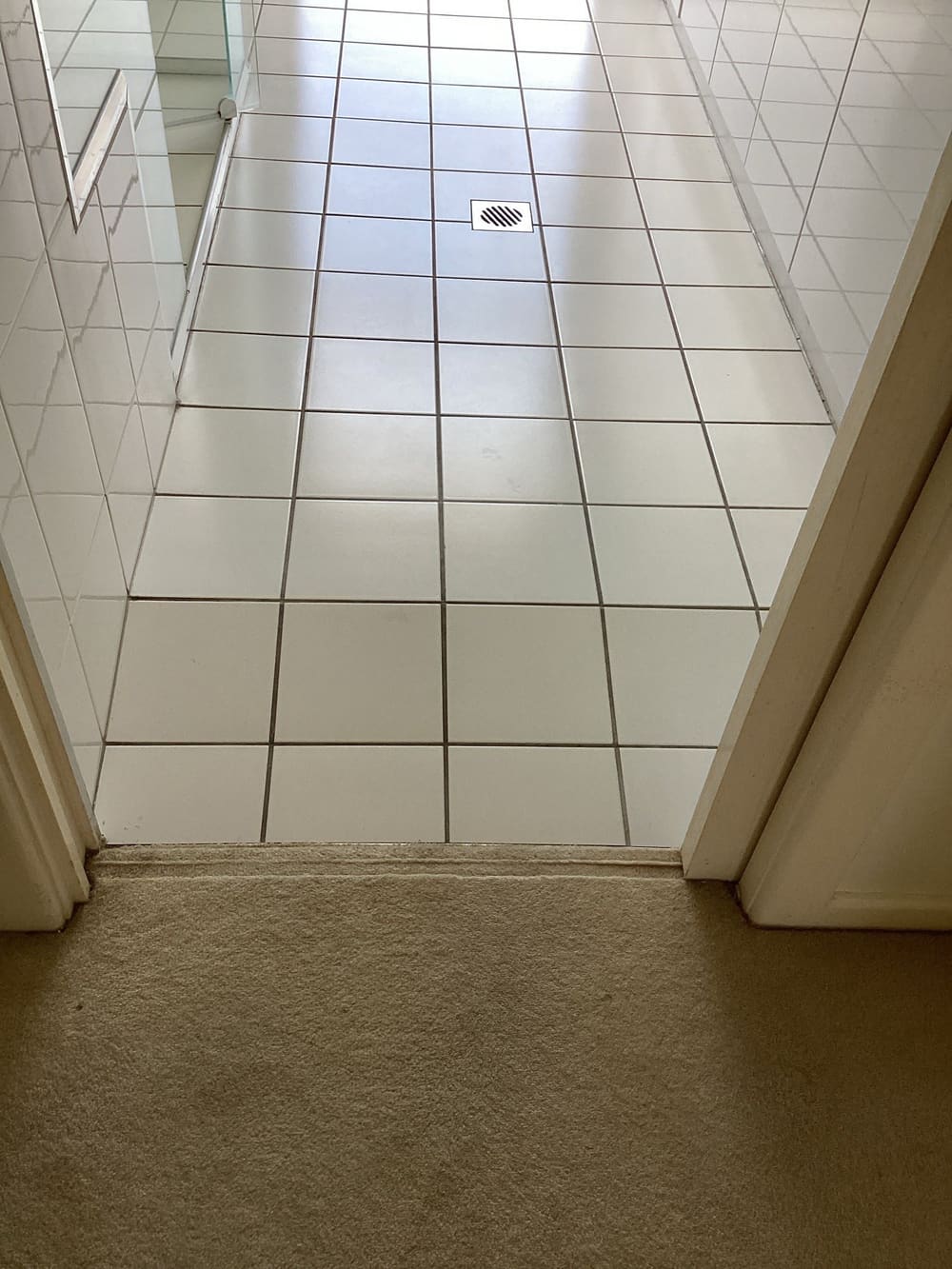
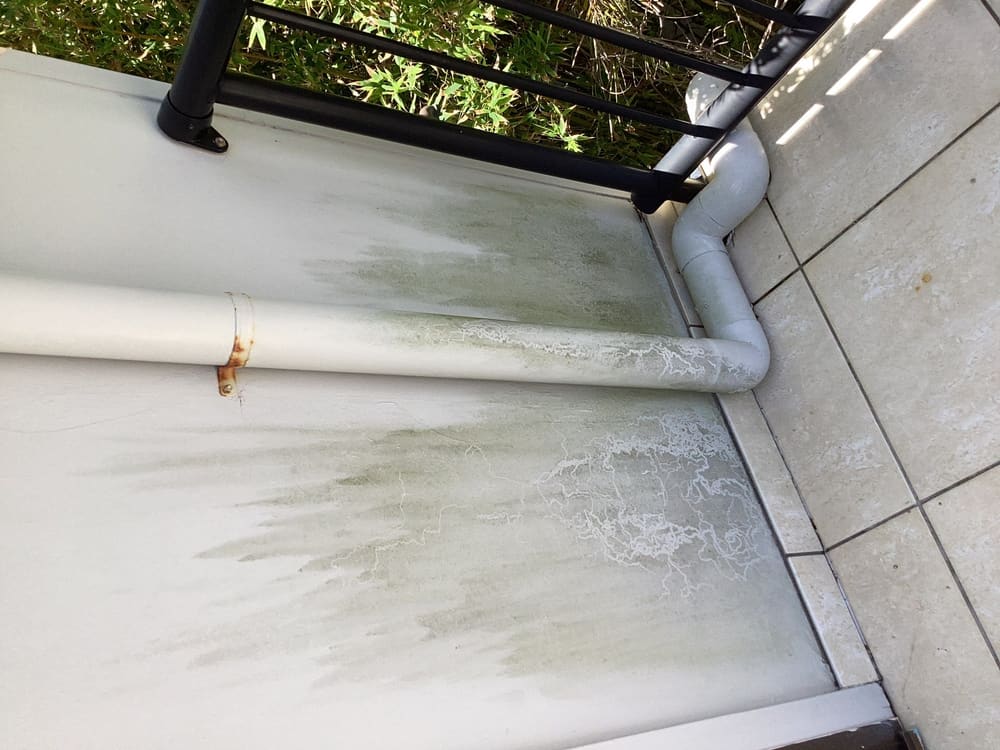
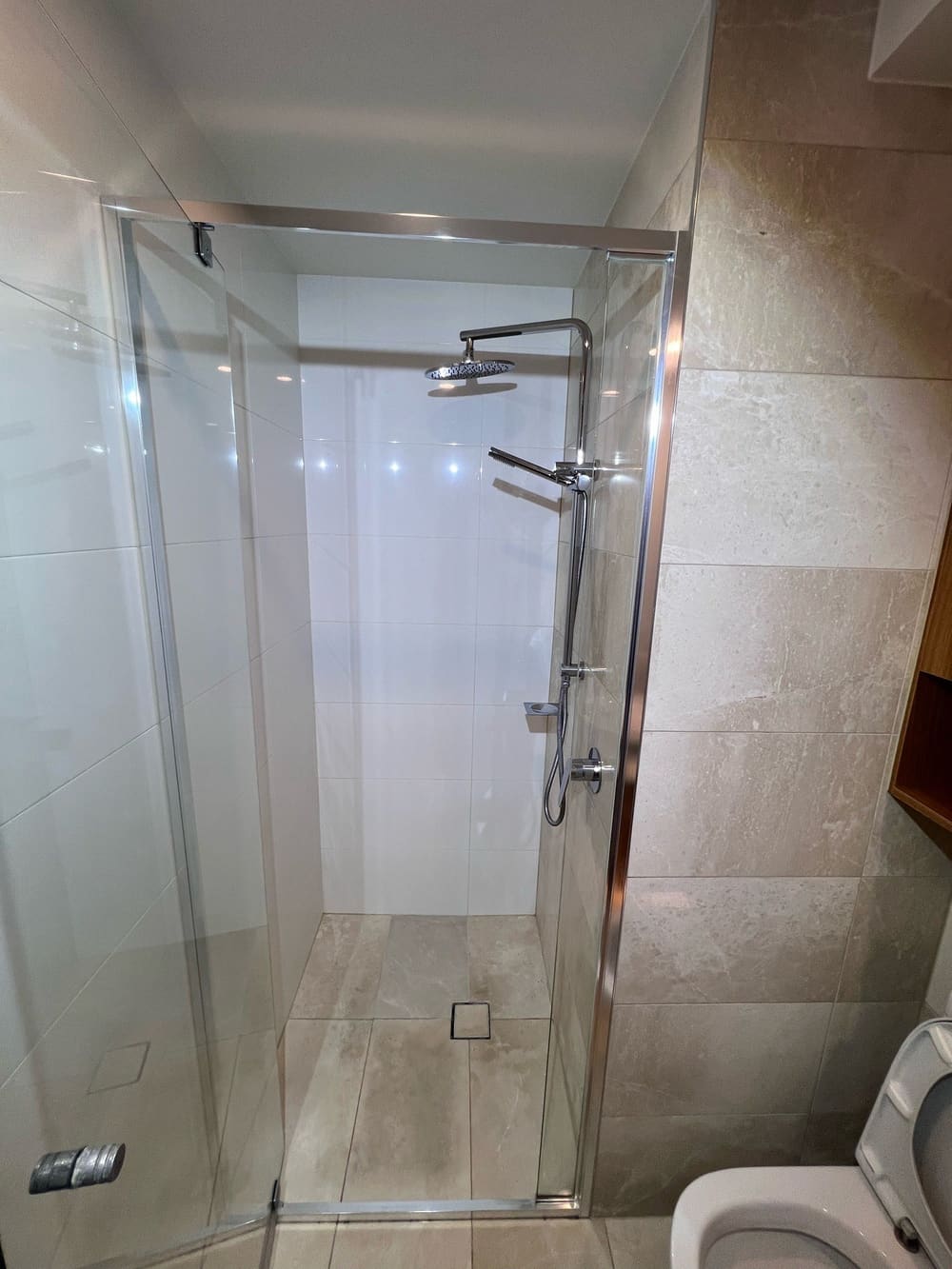

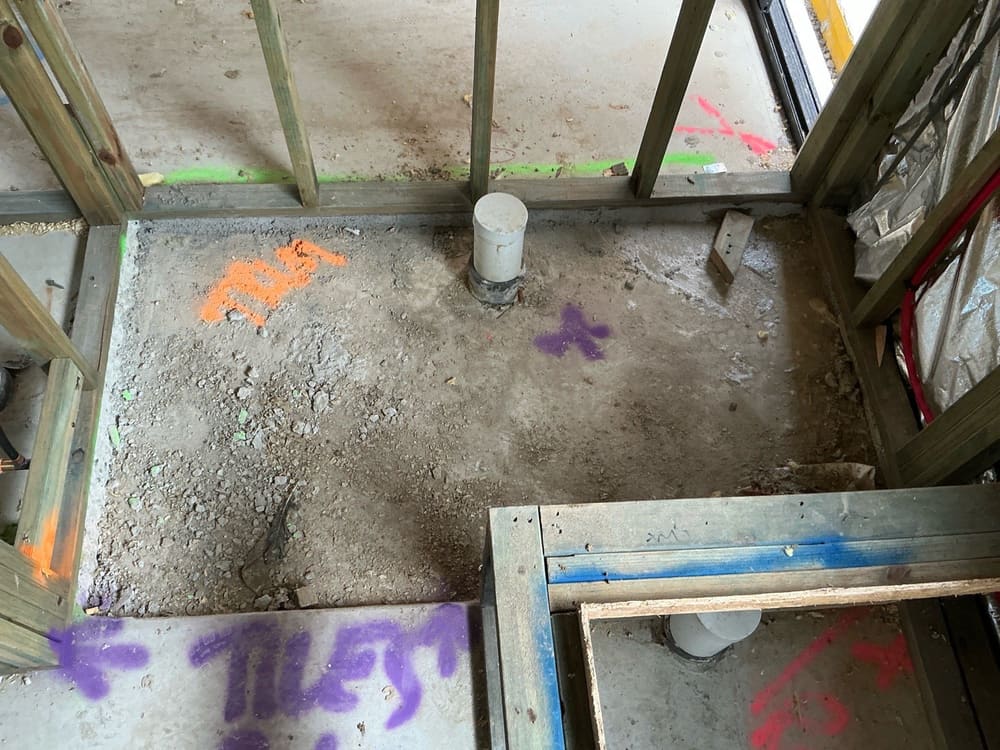 New Construction Stage Inspections Seven visits through a Morayfield build, each one before a trade covers the last.
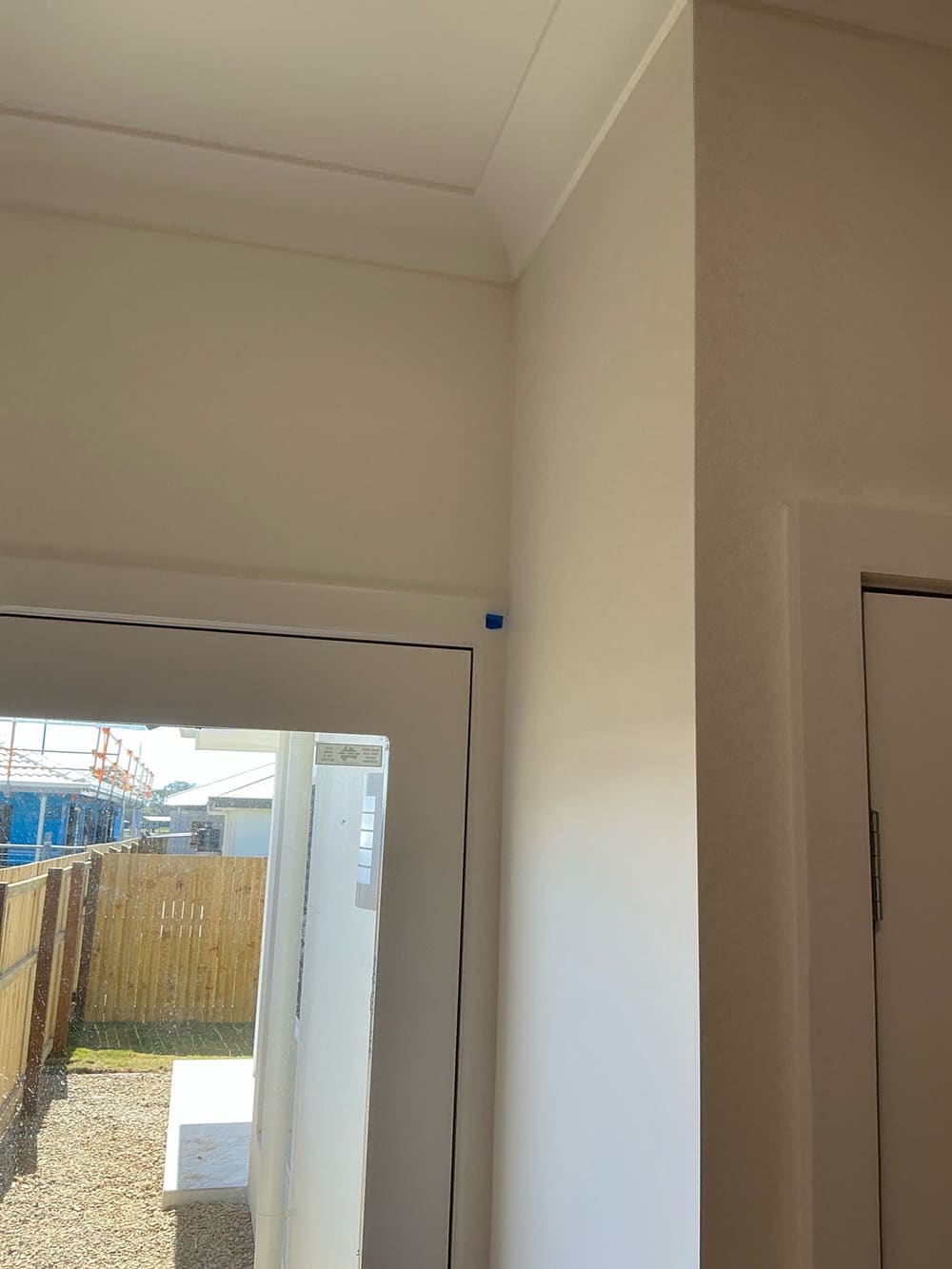 Pre-Handover (PCI) Inspections A full report on your Morayfield build, ready before you sign the final papers.
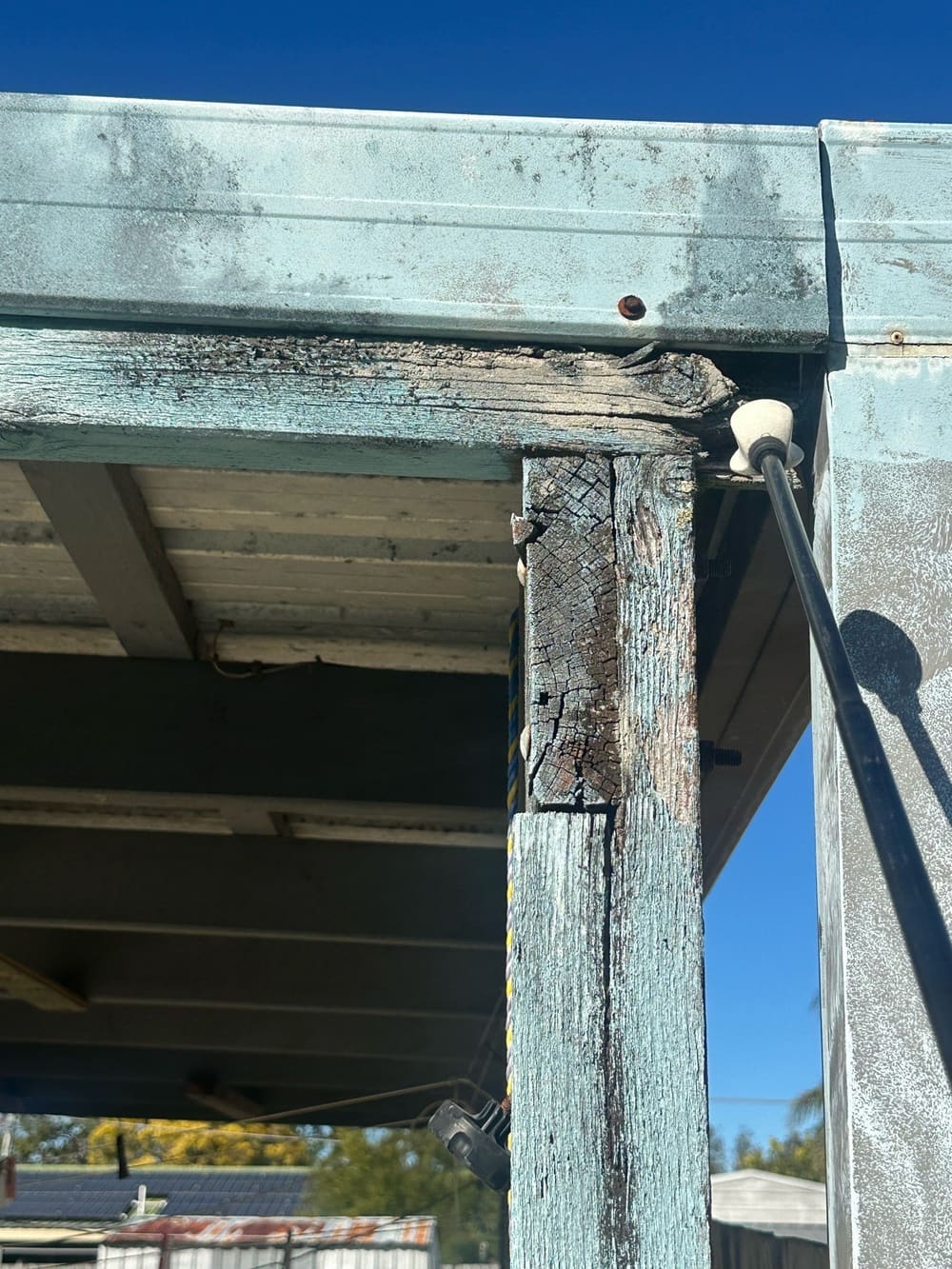 Building and Pest Inspections Building and timber pest reports from a single Morayfield visit.
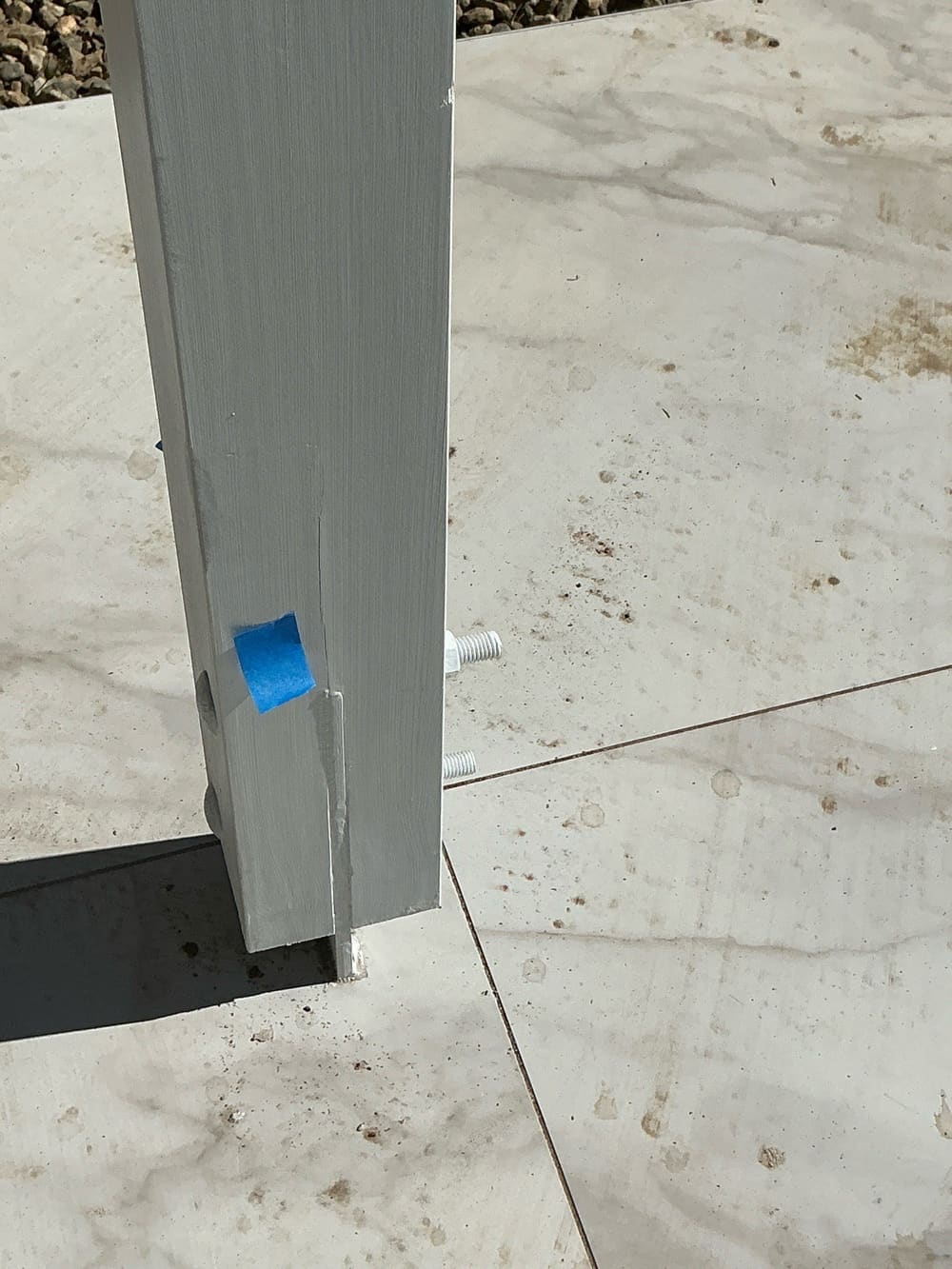 Pre-Purchase Building Inspections A visual AS 4349.1 inspection for established Morayfield homes.
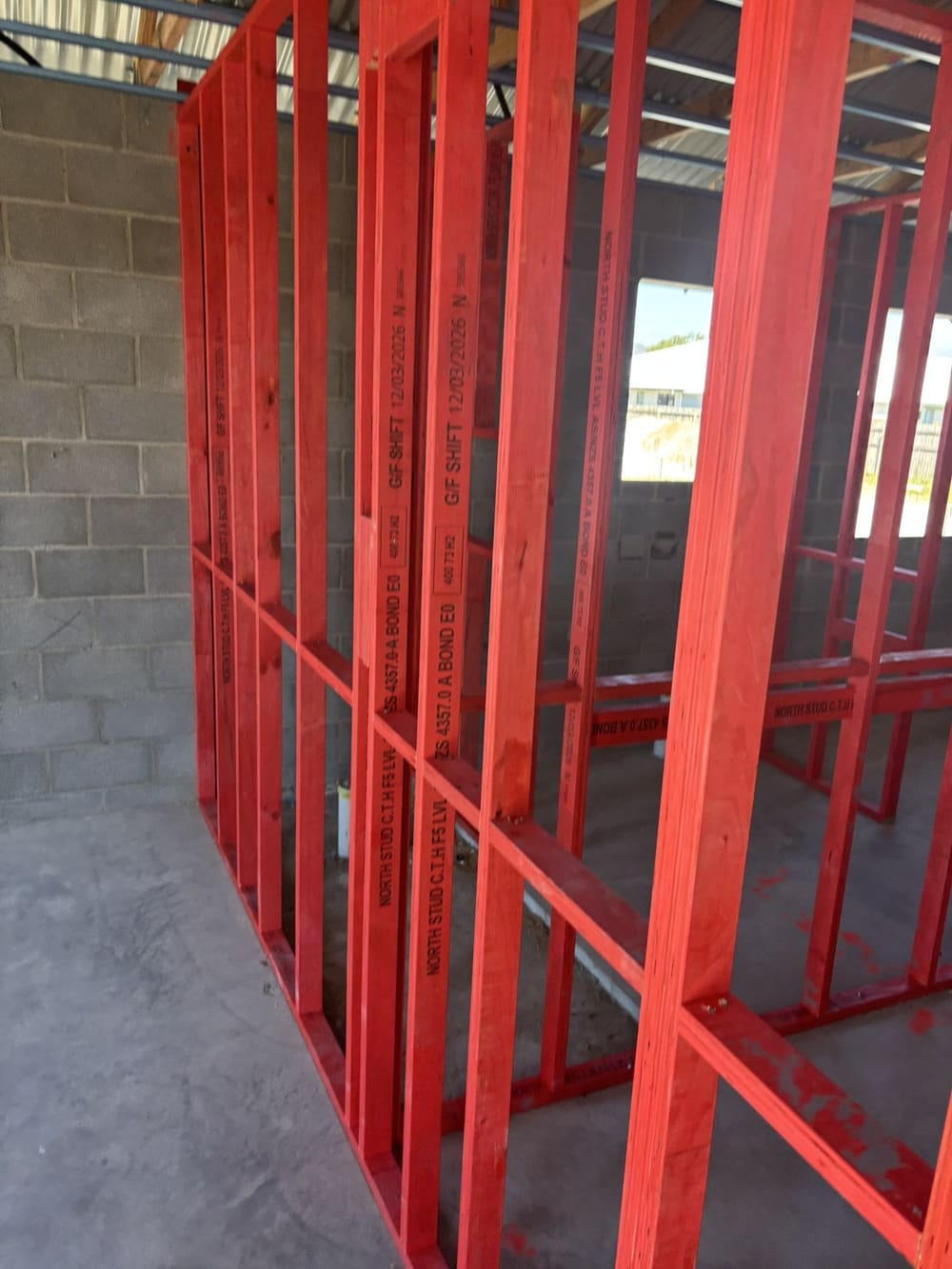 Defect Investigation Reports We compare the build against the approved drawings, the NCC, engineering and the QBCC Standards and Tolerances Guide.
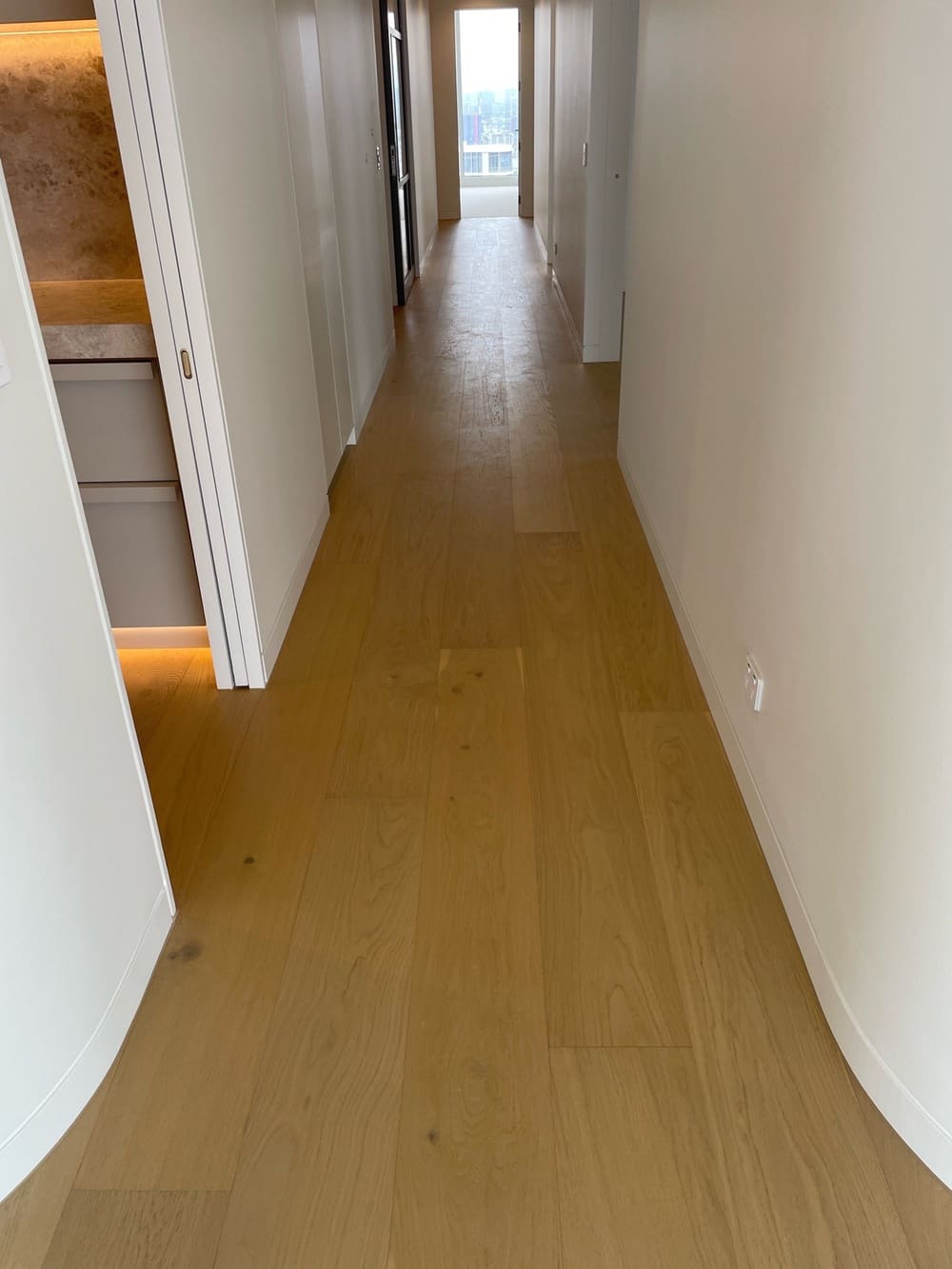 Dilapidation Reports Check the slab, framing and waterproofing before you lock in the handover inspection.
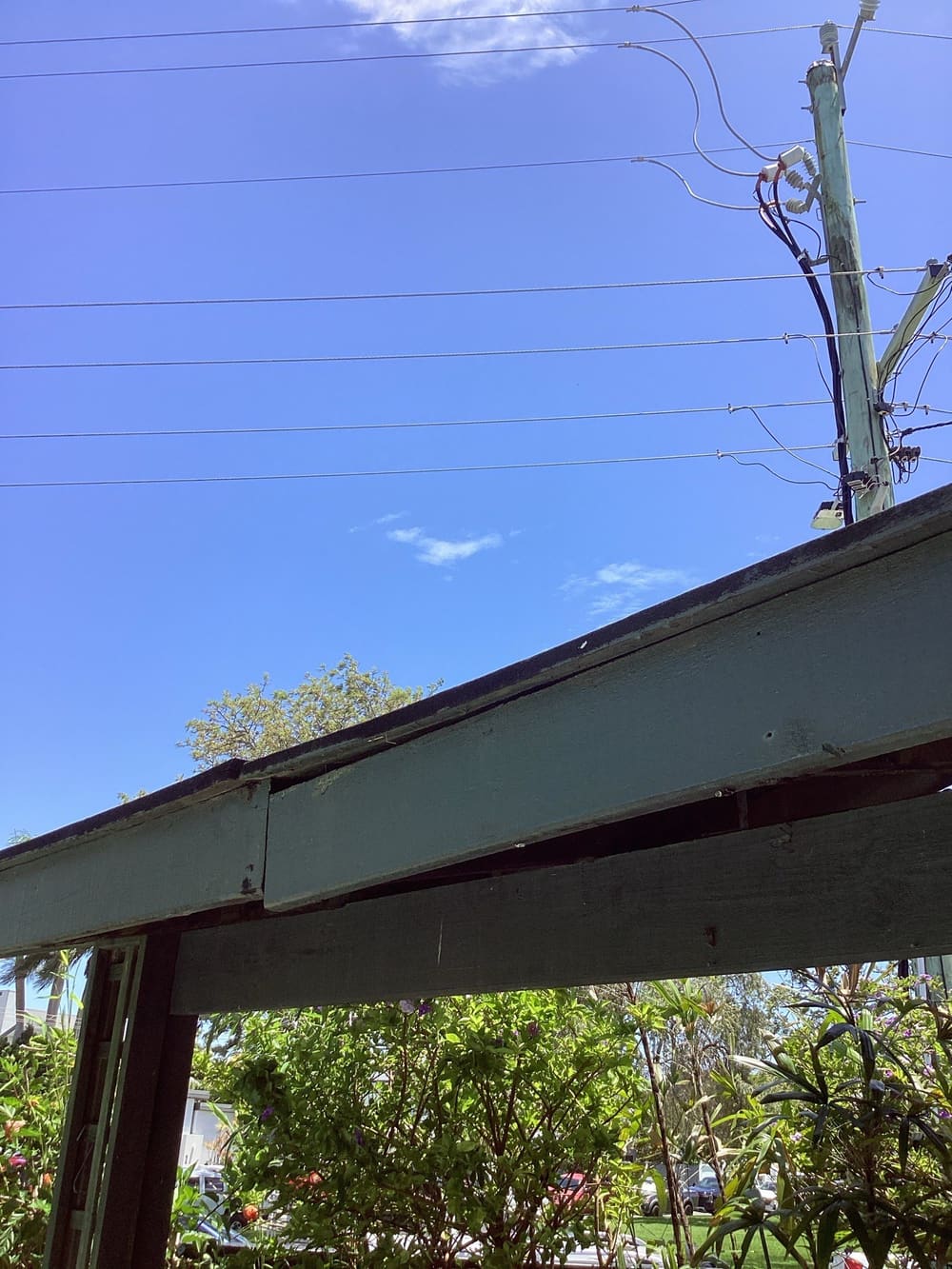 QCAT Expert Witness Reports Prepare for a dispute at QCAT with reports that meet the Queensland Building and Construction Commission Act 1991 standards.
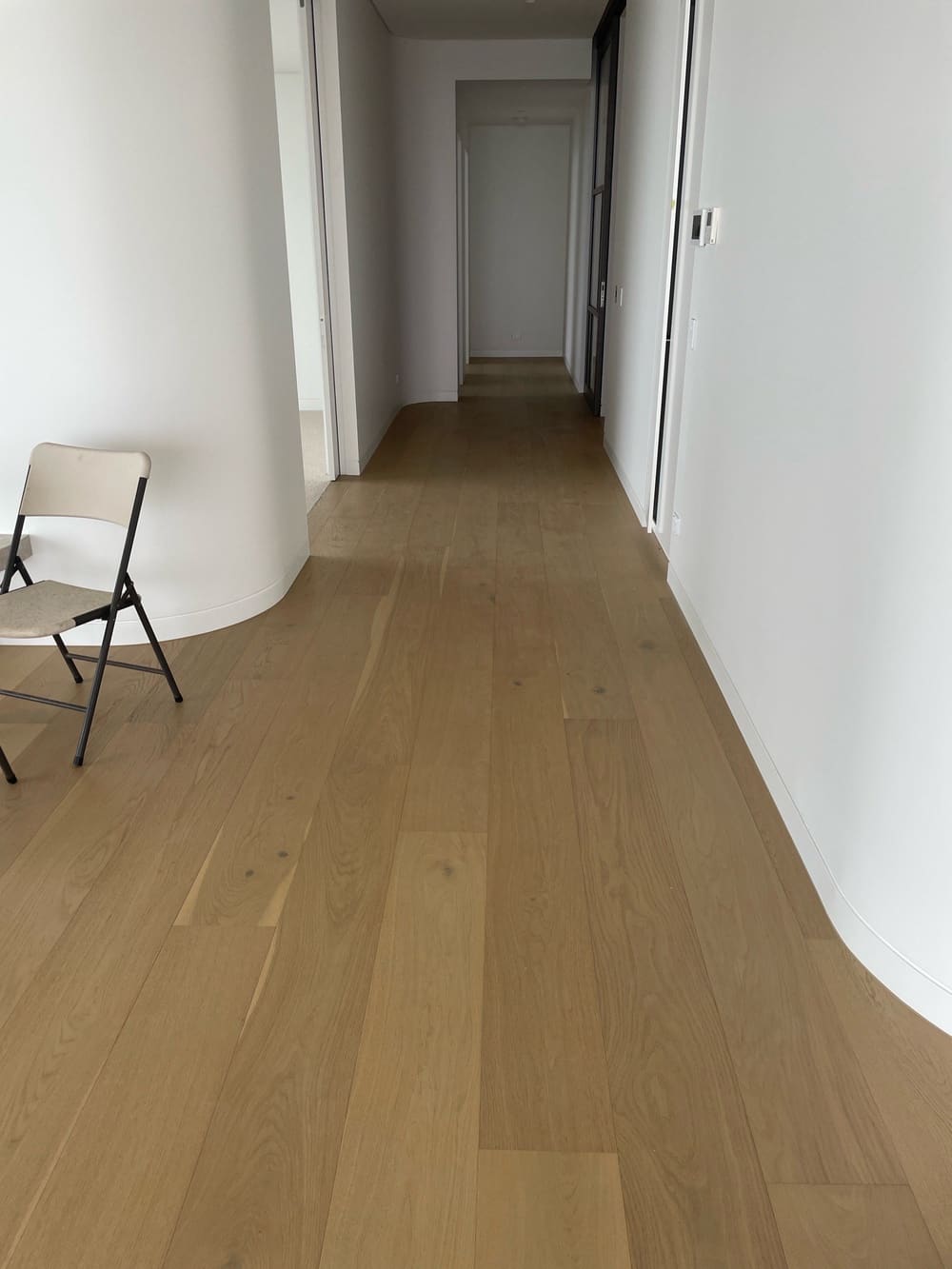 Pre-Sale Inspections Identify defects before the final inspection so you do not have to pay for rectification.
Instant online pricing for Morayfield, or contact the booking team.
It is an independent inspection and written report on damage to your home: what is damaged, what most likely caused it, how far it goes and what repair will put it right. Each finding is photographed, and readings are taken where water or movement is involved. Owners use it to support a claim, answer a declined claim or test an insurer's scope of works.
No. A loss adjuster or loss assessor is appointed by the insurer to assess the claim for the insurer, while we are engaged by you to report on the building. The report sets out the author's qualifications and experience. We do not decide claims, negotiate a settlement or give legal advice.
Nobody can promise that. The result depends on your policy wording, what actually caused the damage and the law. The report puts clear evidence of cause and extent in front of the people deciding, and if the matter goes to the Australian Financial Complaints Authority, it weighs the expert evidence from both sides.
Under the General Insurance Code of Practice, an insurer that denies a claim or does not pay it in full must tell you in writing which parts it does not accept and why, and that you can ask for the information and the expert or service supplier reports it relied on. If your insurer subscribes to the Code, it generally must provide that material within 10 business days of your request, subject to the Code's exceptions. Pass it to us so the report can answer each point the insurer makes.
Freshly cracked or slipped tiles, lifted sheeting and staining that matches the timing of the storm point to the event. Rust, perished sealant, old tide marks and gaps that have been open for years point to age and upkeep. Where both are present the report says so, because an insurer relying on a wear and tear exclusion has to show the wear caused the loss, not only that some wear exists.
Many home policies exclude faulty workmanship, so we investigate the likely cause and say whether further testing is needed. If a builder's work on a newer Morayfield home is the cause, Schedule 1B of the Queensland Building and Construction Commission Act 1991 implies warranties about the materials, legal compliance and care and skill, with a warranty period of 6 years for a breach causing a structural defect and 1 year for other breaches, counted from completion. The QBCC asks for a complaint within 12 months of completion for non-structural defects, or within 12 months of noticing a structural defect, after each item has been put to the builder in writing. QCAT needs a letter from the QBCC about its dispute process before it will take a building dispute, so get advice on deadlines early.
Yes. The scope lists the repairs the insurer will pay for, and items can be missing because the insurer treats them as not covered or because they were overlooked. We compare it with what we find on site and prepare a rectification scope a builder can quote from. The Insurance Council's own guidance says owners can get independent advice on the scope from a qualified builder or building consultant.
Cause and extent come from what is observed and measured on site. Where the original work is questioned, the report refers to the National Construction Code, the QBCC Standards and Tolerances Guide and the Australian Standard for the element, such as AS 3740 for waterproofing of domestic wet areas. The Guide itself says Acts, regulations, the NCC, Australian Standards and manufacturers' installation requirements take precedence over it where they differ.
Opening up walls, floors or ceilings, engineering certification, soil or laboratory testing, plumbing pressure tests, electrical testing, mould sampling, contents and the repairs themselves. We do not deal with the insurer for you or give legal advice. If only an opening or a plumber's test would confirm the cause, the report says where and why.
Complain to the insurer first: under the Code, subscribers must decide within 30 calendar days or explain the delay in writing and tell you about your right to go to AFCA. If that does not resolve it, the Australian Financial Complaints Authority is a free and independent service whose decisions bind the insurer as its rules set out. For most complaints the time limit is the earlier of six years from when you became aware, or should reasonably have become aware, of the loss and two years after the insurer's final response, so act promptly.
As soon as you can after the damage, and before repairs where it is safe to wait, since the evidence of cause is clearest early. Let us know any insurer or complaint deadline when you book. We cover Morayfield, a mostly residential suburb with some semi-rural acreage in the City of Moreton Bay, along with nearby Caboolture, Caboolture South, Bellmere, Upper Caboolture, Burpengary, Burpengary East, Narangba and Beachmere.